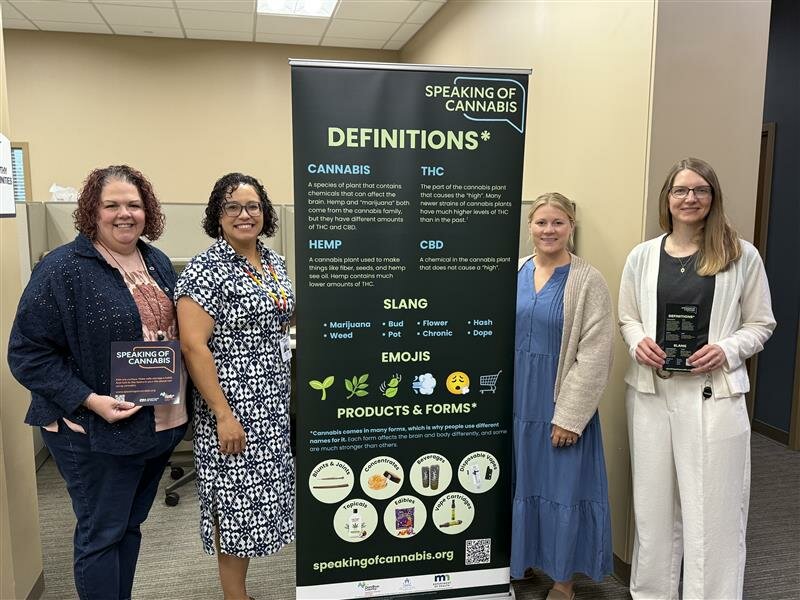
Cannabis is a species of plant that contains chemicals that can affect the brain. The plant contains over 125 different cannabinoids, which are chemicals that may affect the body. Hemp and “marijuana” both come from the cannabis family, but they have different amounts of cannabinoids. The plant contains over 125 different cannabinoids, which are chemicals that may affect the body.
Hemp is a cannabis plant used to make things like fiber, seeds, and hemp seed oil and contains much lower amounts of THC, the part of the plant that causes a “high.” Hemp is often used in products like foods, personal care items, and fabrics. However, hemp-derived THC edibles and THC beverages can be intoxicating and may have mind-altering effects similar to cannabis products. In contrast, cannabis (marijuana) is mind-altering and is used for medical or recreational reasons.
The primary mind-altering cannabinoid found in cannabis is THC. Cannabis typically contains more THC, while hemp contains more Cannabidiol. CBD is a chemical in the cannabis plant that does not cause a “high.
Cannabis-based products are available with differing cannabinoid combinations; some cannabinoids occur naturally, while others are manufactured and added to products, the health effects of which are not yet fully understood.
Today's cannabis products are often much stronger than in the past. Between 1995 and 2022, the delta-9 THC potency in illegal cannabis products quadrupled from 3.96% to 16.14%, and cannabis flower and concentrates in dispensaries can have THC concentrations of more than 40%. Today’s products can possess over three times the THC potency compared to thirty years ago, which increases the risk of addiction.
Regular cannabis use during the teenage years and early twenties, when the brain is still developing, can cause physical alterations to the brain and negatively affect memory, concentration, and learning. It is also linked to mental health issues, with approximately one in ten users becoming addicted, a rate that increases to one in six if use begins before age 18.
Cannabis comes in many forms, which is why people use different names for it. Each form affects the brain and body differently, and some are much stronger than others. The consumption method, amount taken, THC potency, and prior experience all play a role in how cannabis impacts the body and brain.
The Speaking of Cannabis campaign aims to empower trusted adults with facts and communication tips to discuss these risks with youth. Adults are encouraged to:
1. Understand how cannabis can affect the developing brain.
2. Talk with teens about not using cannabis.
3. Store cannabis products safely in their original, labeled, child-resistant or locked containers, placed high up and completely out of reach and sight of children and pets.
The Speaking of Cannabis initiative is supported by a grant from the Minnesota Department of Health Health Improvement Bureau and is featured as part of the Preferred Business sponsored content program.
Dodge, Fillmore, Freeborn, Goodhue, Houston, Mower, Olmsted, Rice, Steele, Wabasha, and Winona counties are partnering to inform adults through the website, speakingofcannabis.org.
This activity is made possible by a grant from the Cannabis and Substance Use Prevention program of the Minnesota Department of Health Health Improvement Bureau.
The Regional Cannabis Communication Campaign is part of the sponsored content program called Spotlight.


